Latest News
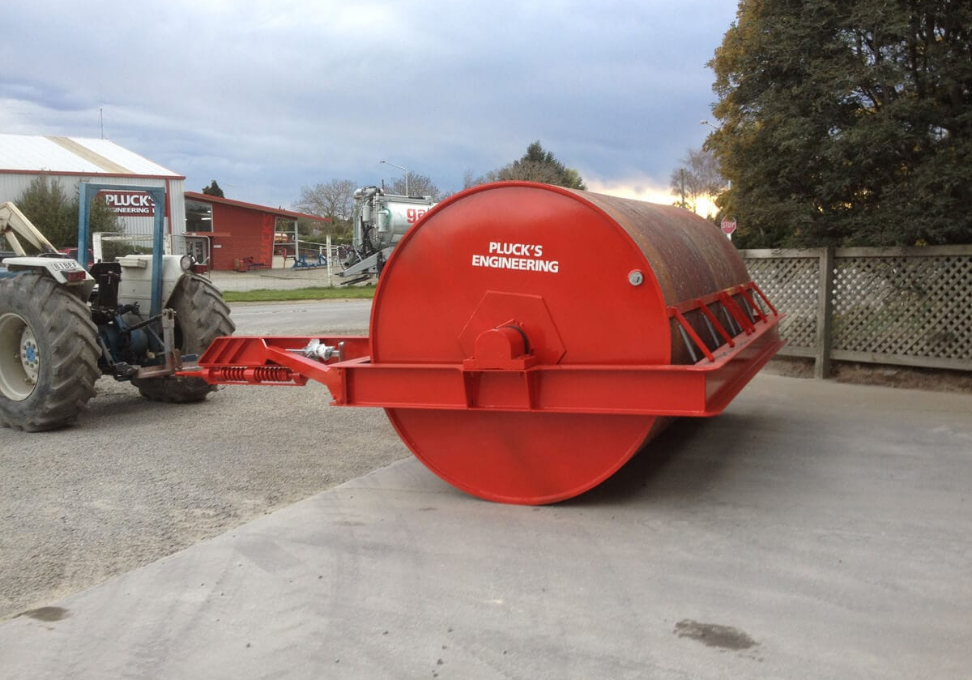
Why a Spring-Loaded Drawbar Belongs on Your Heavy Roller
Towing a heavy roller over border-dyke humps or lumpy ground means a constant clunk through the tow bar pin. Here’s how Plucks’ spring-loaded drawbar cushions that connection, and why it’s worth fitting to a new or existing roller.
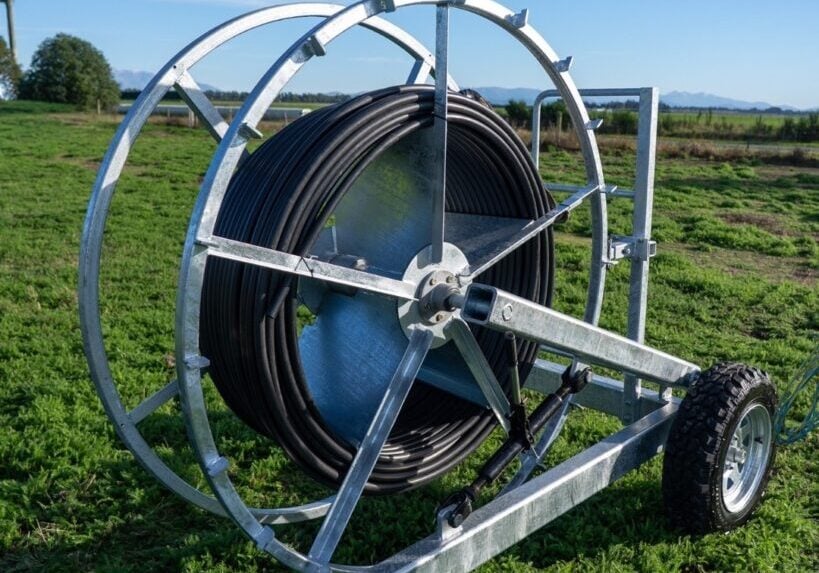
What Winding Hose by Hand Is Really Costing You This Season
Hand-winding 300 metres of alkathene hose can take more than 40 minutes a shift, before you sort out the loops and kinks. Here’s what that adds up to over a winter grazing season, and how the Plucks Hose Runner turns it into a one-person job that takes under two minutes.
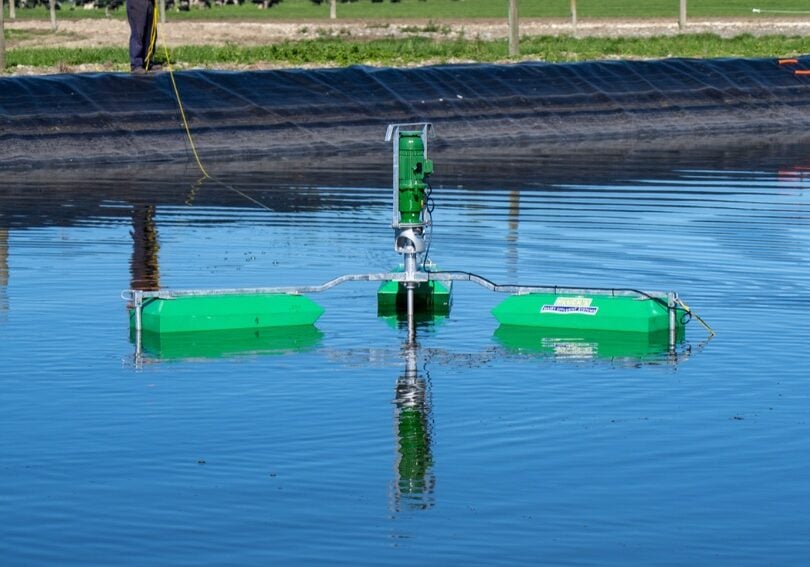
Effluent Pond Stirring: Why It Matters (and What Happens When You Skip It)
An effluent stirrer is easy to forget until it stops. Here’s what pond stirring actually does, what happens when solids settle, and how Plucks sizes stirrers to your pond, tank or sump using measured dimensions and solids loading rather than guesswork.
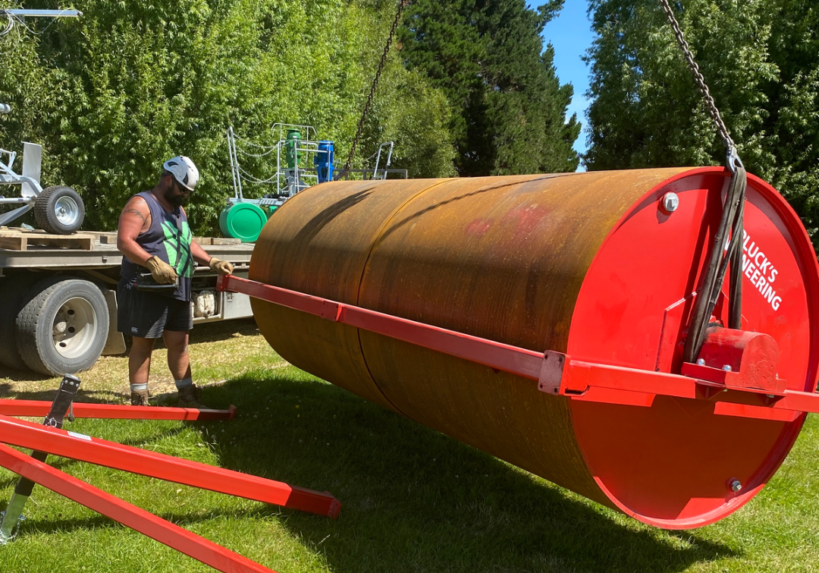
Paddock Rolling in Spring: Choosing the Right Land Roller for Your Farm
After a wet Canterbury winter, paddocks come out lumpy, pugged, and uneven – and that costs you all season. Here’s how to choose the right land roller size, plate thickness, and towing setup before spring gets away on you.
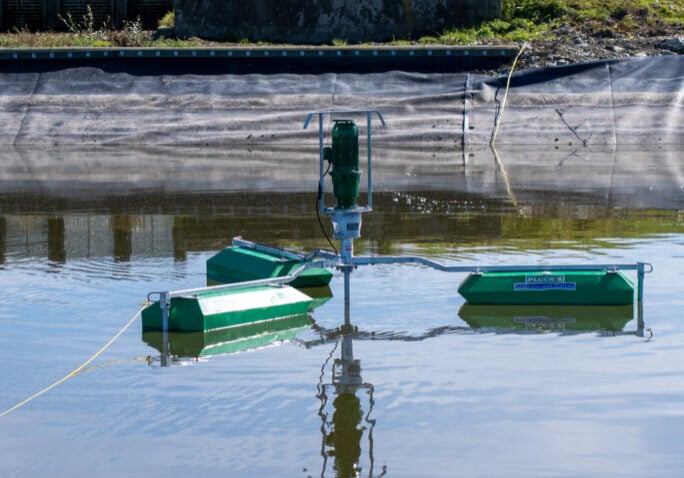
Planning an Effluent Upgrade Before a Consent Renewal
Consent renewals have a way of surfacing problems that have been building for years. This post covers why reviewing your effluent system well before renewal time gives you more options, more time to get it right, and a much smoother path through the consent process.
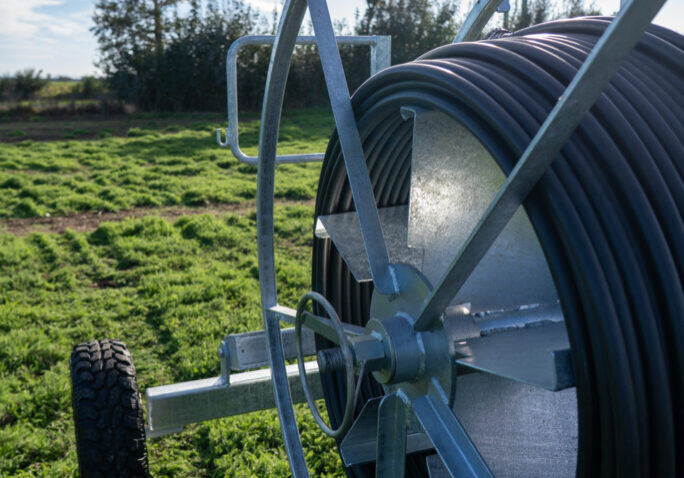
The Plucks Hose Runner Was Rebuilt From the Ground Up – Here’s What Changed and Why
Plucks Engineering spent 82 days visiting farmers across New Zealand before redesigning the Hose Runner. The result is a machine that winds and unwinds hundreds of metres of Alkathene hose in under two minutes – a one-person job, 45% cheaper than the original, and built around exactly what farmers said they needed.
How to Size Effluent Storage for a Dairy Farm in New Zealand
Effluent storage that’s too small creates pressure fast – and usually at the worst possible time. This guide covers what actually goes into sizing dairy effluent storage correctly in New Zealand, from herd numbers and rainfall allowance through to concrete pond design and resource consent requirements.
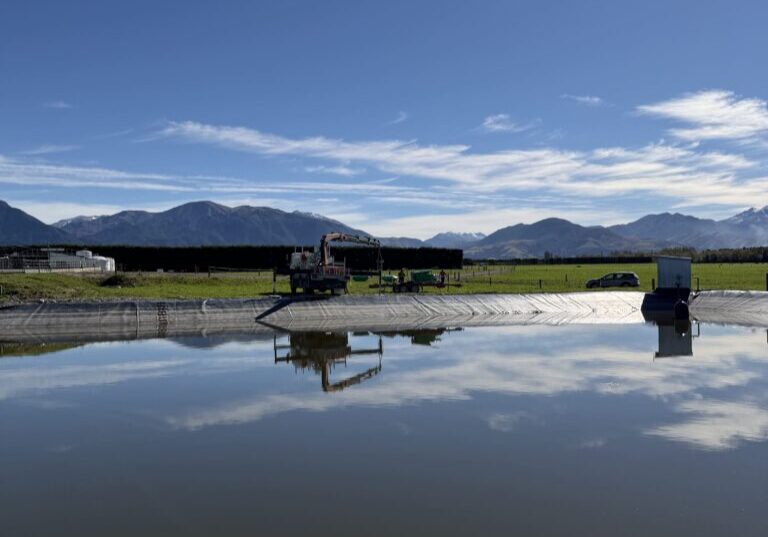
Global Disruption, Energy Volatility and Why Dairy Effluent Is Now a Strategic Asset
Global fertiliser supply is under pressure – and New Zealand sits at the end of the line. Here’s why your effluent system is now one of the most valuable resilience tools on the farm.

Why Maximising Dairy Effluent Matters More Than Ever
Dairy effluent contains real fertiliser value – nitrogen, phosphorus, and potassium your farm has already paid for. Here’s why capturing more of it matters, and what a well-designed system actually delivers.

What Consultants Look For in a Dairy Effluent System
Storage capacity, pump sizing, build quality, documentation – when a consultant reviews a dairy effluent system, these are the things they check. Here’s what to have in order.