
Global Disruption, Energy Volatility and Why Dairy Effluent Is Now a Strategic Asset
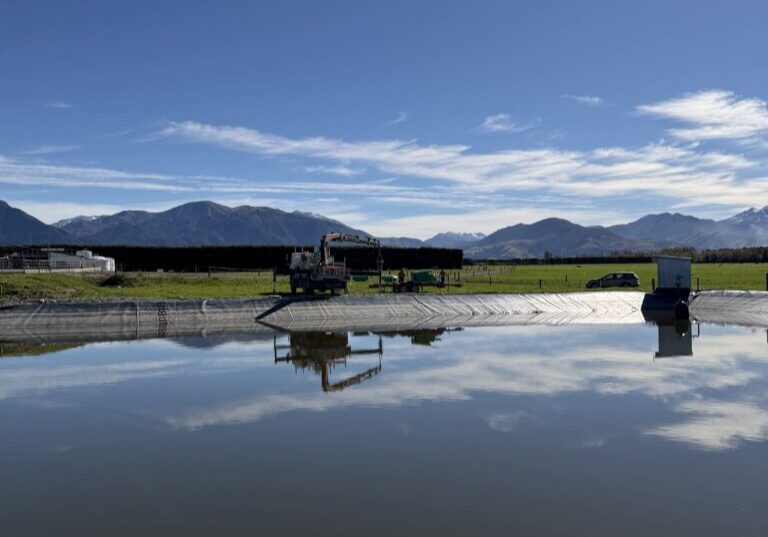
Global fertiliser supply is under pressure - and New Zealand sits at the end of the line. Here's why your effluent system is now one of the most valuable resilience tools on the farm.
The global fertiliser supply chain has been under pressure for several years. What began as a series of isolated disruptions – pandemic-related logistics constraints, energy price spikes, export restrictions imposed by major producing nations – has revealed a structural vulnerability that is unlikely to fully resolve. New Zealand’s position as a small, geographically remote importing country means that exposure sits at the end of the line.
This is not an abstract risk. When nitrogen fertiliser prices move sharply, they do so quickly and with limited warning. When a major exporting country restricts shipments, the ripple effect reaches NZ ports within months. Farmers planning their fertiliser programmes for the season ahead are making decisions in an environment where both cost and availability are harder to forecast than they were a decade ago
Why New Zealand’s Exposure Is Particularly Acute
Many nitrogen fertilisers are manufactured using natural gas as a primary feedstock. When energy markets tighten – driven by geopolitical events, weather disruptions, or shifts in global demand – fertiliser production costs rise, and those costs pass through the supply chain to farm gate. New Zealand imports the majority of its nitrogen fertiliser, which means domestic prices track international markets closely, with freight and currency exposure adding further volatility on top.
Export restrictions by major producing countries compound this. When a significant producing nation limits exports to protect domestic supply, global availability contracts quickly. Countries with strong domestic production capacity are insulated. New Zealand is not.
Resilience Is a Farm Management Decision, Not a Policy Discussion
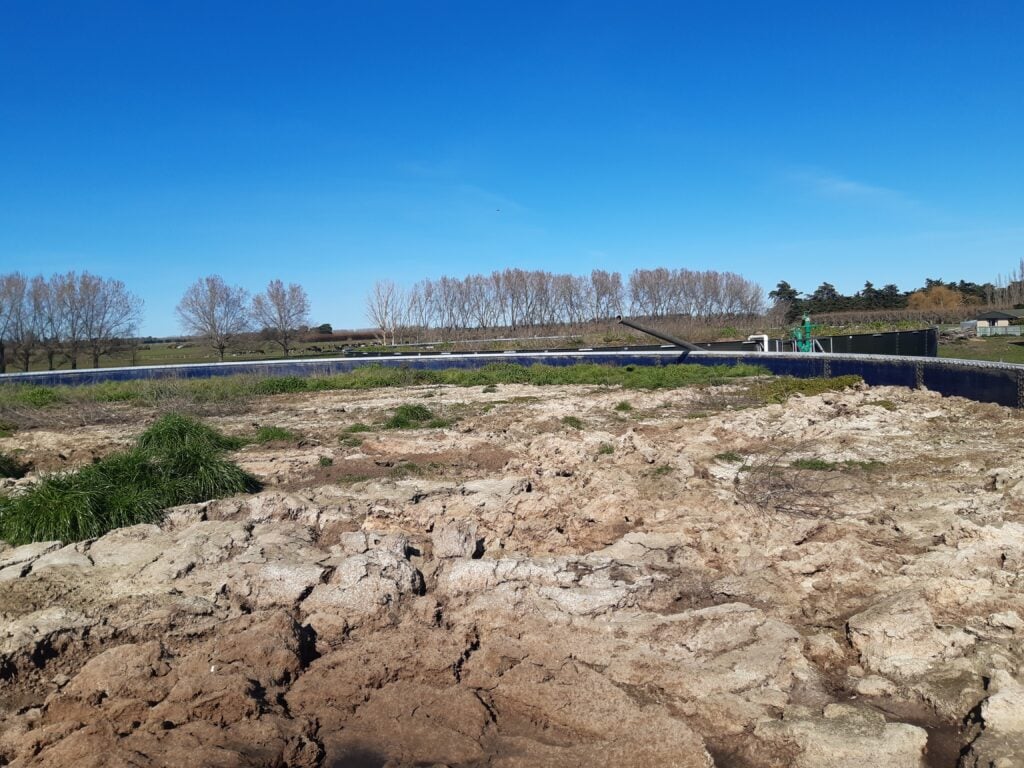
The practical implication for dairy farmers is straightforward: the more of your nutrient requirement you can meet from on-farm sources, the less exposure you carry to markets you cannot influence. Dairy effluent is the most direct on-farm nutrient source available to any dairy operation. It is produced continuously, it is already present, and it does not rely on shipping routes, foreign exchange rates, or export licensing decisions in another country.
The constraint is not availability. The constraint is performance.
What Determines Whether Effluent Delivers Its Nutrient Potential
Effluent systems that are poorly specified for their farm’s solids load, pond depth, or application method will consistently underdeliver – not dramatically, but steadily, every season. Common failure points include inadequate stirring that allows solids to stratify, screening that is not suited to the material being processed, and application equipment that cannot handle the variability in effluent consistency that poor mixing creates.
Each of these failures has a nutrient cost. Stratified ponds produce inconsistent pump-out. Inconsistent pump-out means uneven application rates across paddocks. Uneven application means some areas receive excess loading – with associated compliance risk – while others receive so little that pasture response is negligible. The farm’s fertiliser bill picks up the difference.
Well-designed systems address these failure points at the specification stage, not after problems develop in the paddock. Stirring equipment matched to pond volume and solids concentration, screening that protects downstream pumps and irrigators, and irrigation capacity that allows even application across the whole platform – these are engineering decisions that directly determine how much of the effluent nutrient stream the farm actually recovers.
The Position Farms Are In Right Now
Farms that have invested in correctly specified, well-maintained effluent systems are better placed to absorb fertiliser market volatility than those relying on systems built purely to satisfy consent conditions. The difference in recovered nutrient value – over a full season, across the whole milking platform – is not marginal. It is the kind of gap that shows up in the fertiliser account.
As the forces shaping global fertiliser supply show no signs of settling, treating effluent as a strategic nutrient asset rather than a compliance obligation is one of the clearest operational decisions available to NZ dairy farmers. The nutrients are already there. The question is whether the system is built to recover them.
Talk to Plucks About Your Effluent System
If you’re reviewing your current system – whether that’s ahead of a consent renewal, a farm purchase, or simply because nutrient recovery has moved up the priority list – Plucks Engineering designs and installs dairy effluent systems built for NZ conditions. Canterbury-based, with experience across a wide range of farm sizes and configurations.
Get in touch with the Plucks team
To keep reading about effluent systems, we recommend you: