
Why Effluent Systems Are Now Treated as Farm Infrastructure, Not Just Equipment
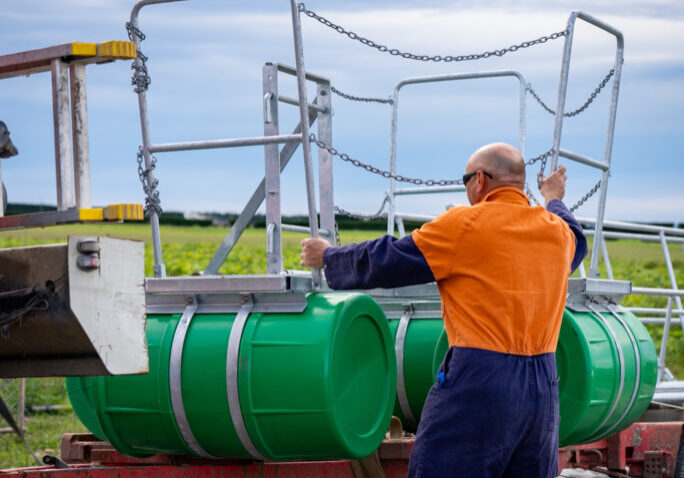
A lot of farms still think of the effluent system as something that just needs to work day to day.
But these days it’s more than that. Storage, pumping, and layout are tied into consent conditions, environmental rules, and the overall running of the farm. When the system is right, it stays in the background. When it’s undersized or worn out, it usually shows up at the worst possible time.
Because of that, effluent setups are now being looked at more like farm infrastructure than just another bit of gear.
Effluent systems now affect more than the day-to-day running of the farm
Years ago, most systems were built to handle normal use and that was about it.
Now they’re often checked as part of:
- Consent applications
- Consent renewals
- Environmental audits
- Farm sales
- Bank reviews
- Consultant reports
- Expansion plans
That means the system needs to be able to show it’s sized properly, built properly, and capable of doing the job long term.
When those things are clear, everything runs smoother.
When they’re not, the effluent system can become the weak point.
Storage, pumping, and layout all need to work together
A good system isn’t just about having a tank.
Storage, transfer, and spreading all need to match the size of the farm and the way it runs.
If one part is undersized, it usually puts pressure on everything else, especially during wet weather or busy periods.
Common problems we see are:
- Effluent storage is too small for the current herd size
- Infrastructure struggling to keep up
- Incorrect specked pumps and plumbing, too big –too small
- Layout that made sense years ago but doesn’t now
Most of the time, the farm has changed, but the effluent system hasn’t.
Consent rules have tightened, and systems need to keep up
Regional rules are stricter than they used to be, and farms are often expected to hold effluent longer and show more detail about how the system works.
That can mean needing:
- More storage
- Better transfer capacity
- Clear drawings and specs
- Stronger tanks and frames
- Layouts that allow for future changes
If the system was built a long time ago, it doesn’t always mean it’s wrong, but it may not suit what’s required now.
Looking at it early usually makes upgrades easier than leaving it until consent time.
Design First, Reduce Risk
Design first – reduce compliance and capital risk.
Strong effluent design reduces rework, future capex surprises, and compliance exposure. Help clients treat effluent as a governed infrastructure asset.
That means:
- Design the effluent system properly before building
- Good design reduces compliance risk
- Avoids rework and unexpected future capex
- Fewer compliance issues and inspections surprises
- Treat effluent as a long‑term infrastructure asset, not a quick fix
- Decisions sit at owner/director level, not on‑the‑fly in the paddock
The aim isn’t to overbuild – it’s to build something that will still be working years down the track.
Planning the system properly makes everything easier later
Most effluent upgrades happen when something forces the issue, like:
- Consent renewal
- Herd increase
- Storage running out
- Equipment wearing out
- Farm sale
- Consultant recommendation
If the system gets looked at early, there’s time to size it properly and build it to suit the farm, instead of rushing changes under pressure.
Plucks Engineering works with farm owners, consultants, and planners to design and build effluent systems that match the farm, meet consent requirements, and are made to keep working long term. Get in touch now!
