
What Consultants Look For in a Dairy Effluent System
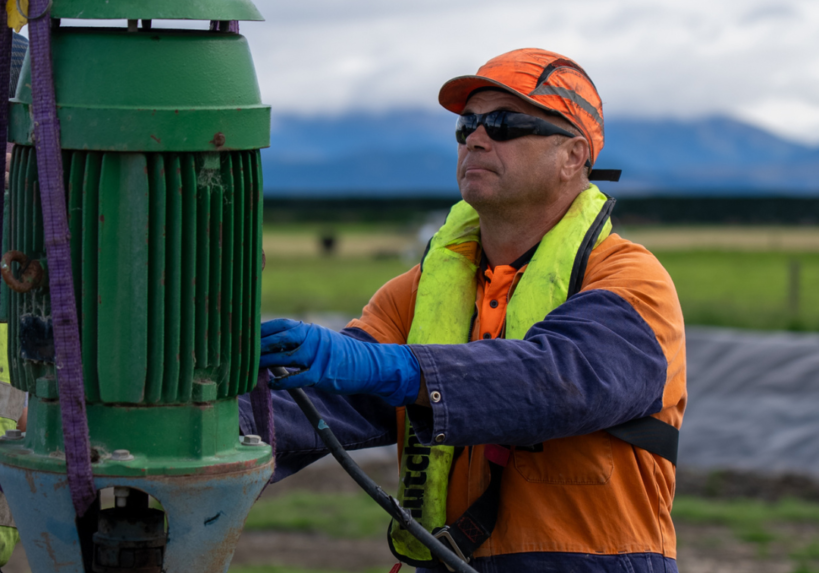
Storage capacity, pump sizing, build quality, documentation - when a consultant reviews a dairy effluent system, these are the things they check. Here's what to have in order.
When a dairy effluent system gets installed or upgraded, it is rarely just the farm owner making the call. Consultants, planners, accountants, and sometimes the bank will all want to understand what has been built, why it was specified the way it was, and whether it is going to keep doing its job years down the track.
That scrutiny has increased as effluent systems have become treated more like permanent farm infrastructure than a compliance add-on. The bar for what counts as a well-designed system has shifted – and the farms that understand what consultants are actually looking for are better placed to move efficiently through consent renewals, farm sales, and expansion planning.
Here is what experienced consultants and planners tend to focus on when they assess a dairy effluent system.
Is There Enough Storage for the Farm as It Actually Operates?
Storage capacity is almost always the first thing that gets scrutinised. The question is not just whether there is storage on site – it is whether there is enough for the farm at its current scale, in real seasonal conditions, with realistic spreading constraints built in.
A properly sized storage system needs to account for more than daily volumes. Consultants will look at how the system handles extended wet periods when the irrigator cannot run, how it copes with winter shutdown windows, and whether capacity still holds up if the herd has grown since the original system was specified. On many established farms, storage was sized for an earlier version of the operation – and what was adequate then has since become the weak point. See our guide on how to size effluent storage correctly.
When storage is marginal, the pressure flows through everything else. The system becomes harder to manage at exactly the times it needs to work reliably, and the risk of a consent breach during a wet season goes up substantially. Consultants recognise this quickly, and it tends to dominate the conversation until it is resolved.
Are the Pumps and Pipework Matched to the Farm’s Scale?
As farms grow and effluent needs to move further or in greater volumes than it once did, older pump and pipework configurations can start to fall short. A system that coped adequately at 400 cows can become a bottleneck at 600, particularly if pond locations, yard layouts, or application areas have changed over time.
The key variables consultants work through are pump capacity relative to the volume that needs to move, pipe diameter in relation to transfer distance and head pressure, and how long it realistically takes to empty storage under normal operating conditions. A system that is slightly undersized will usually manage on a good day – but it won’t have any headroom when conditions get difficult, which is exactly when reliability matters most.
Getting the sizing right is not just about performance in peak conditions. It makes day-to-day running quieter and reduces the wear and maintenance load that comes with running equipment at or near its limits for extended periods.
What Do the Records Show?
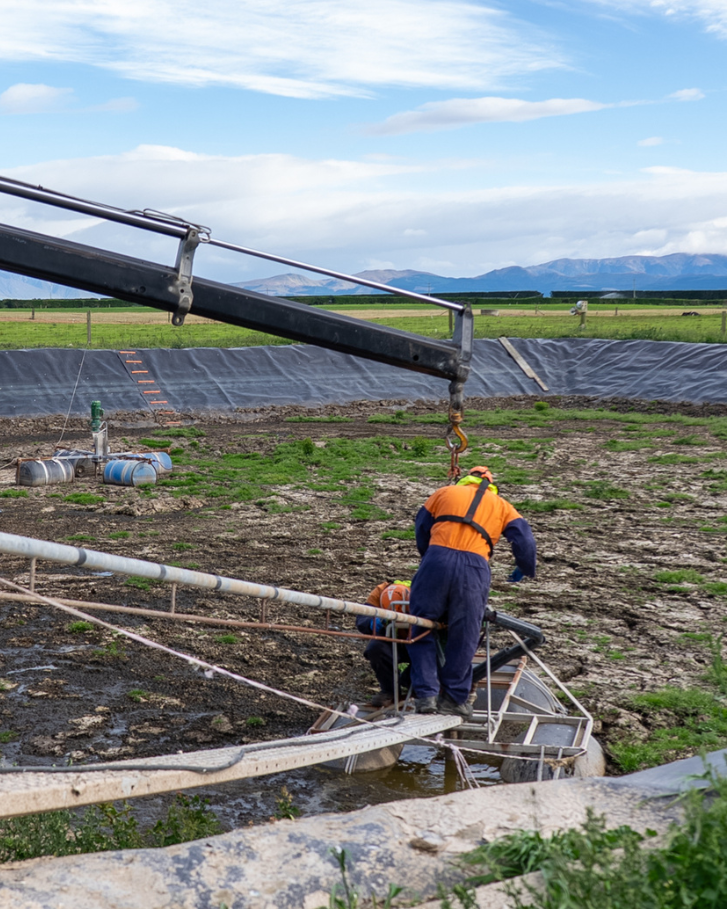
More farms are being asked to produce detailed documentation of their effluent system – not just at consent renewal, but during farm sales, bank reviews, and routine audits. Having clear, accurate records shortens every one of those processes and removes a significant amount of uncertainty for everyone involved.
The records that matter most are the ones that describe what is actually in the ground and why it was specified that way: storage capacity and dimensions, pump specifications, pipe layout and materials, the name of the contractor who installed the system, and any design or consent documentation that accompanied the build. When that information exists and is easy to locate, the process moves quickly. When it does not, time gets spent remeasuring, estimating, and trying to reconstruct decisions that should have been written down at the time.
This is an area where farms that have worked with experienced effluent contractors – rather than piecing systems together incrementally – tend to have a clear advantage. A professionally designed and installed system comes with the documentation built in.
Does the Build Quality Match the Working Conditions?
Effluent equipment runs continuously, often in harsh conditions, and rarely gets the same attention during busy periods that other farm machinery does. The difference between equipment that holds up over years of hard use and equipment that starts to cause problems is largely determined by build quality – and that tends not to be visible until a system has been working hard for a few seasons.
What consultants look for is not showroom appearance. It is whether the system has been built with an understanding of what it is actually going to face: the shock loads from pump starts and stops, the abrasive nature of the material moving through it, the corrosive environment around ponds and yards, and the vibration that accumulates over thousands of operating hours. Equipment built to a minimum specification will usually pass an inspection at install – but it will show the difference over time in alignment, seal integrity, hardware tightening frequency, and the predictability of wear.
On larger farms in particular, consultants routinely recommend going heavier than the minimum on critical components. The cost difference at the specification stage is modest compared to the cost of a system failure during a wet Canterbury winter or at the peak of spring calving.
At Plucks Engineering, effluent equipment is built the same way as our heavy farm machinery – solid, straightforward, and specified for the conditions it is actually going to work in, not the best case..
Does the Layout Suit the Way the Farm Operates?
A technically correct system that does not fit the farm’s layout or operational rhythm creates friction every time it is used. Consultants look at whether the effluent moves logically from the yard to storage and from storage to the application area, whether the irrigator can cover the platform efficiently without double-handling, and whether the layout will still make sense if the farm expands or the herd configuration changes.
Systems that have grown organically over time – a pump added here, a line extended there – often have layout inefficiencies baked in that create daily management overhead. A planned system designed around the farm as it is now, and with some thought given to where it is likely to go, is meaningfully easier to run.
What Does a Well-Specified System Actually Deliver?
When storage is right, pumps are correctly sized, the layout works with the farm rather than against it, and the equipment is built to last, the effluent system does exactly what it should – operates reliably in the background without requiring constant attention or creating risk at the wrong moment.
When a system is undersized, poorly documented, or built to a minimum specification, it tends to surface problems at the most inconvenient times: during a wet period, at the start of a consent review, or when a farm sale is under negotiation.
That is why experienced consultants recommend looking at the whole system properly when farms are expanding, approaching a consent renewal, or upgrading yards – rather than patching issues as they emerge. A properly designed system, built once and built correctly, holds its value and supports the farm for a long time.
Plucks Engineering works with farm owners, consultants, and planners to design and build effluent systems that suit the farm, meet consent requirements, and keep working long term. If you are reviewing your current setup or planning an upgrade, get in touch to talk through your options.
Contact Plucks Engineering today – we’re based in Rakaia and work with farms and consultants across New Zealand.
To keep reading about effluent systems, we recommend you: