
Why Maximising Dairy Effluent Matters More Than Ever
Dairy effluent contains real fertiliser value - nitrogen, phosphorus, and potassium your farm has already paid for. Here's why capturing more of it matters, and what a well-designed system actually delivers.
Fertiliser has always been one of the bigger line items in a dairy farm budget. What has changed is not the cost – it is the unpredictability sitting behind it. Supply disruptions, shipping constraints, and price swings tied to global energy markets have turned what was once a relatively stable input into something that now carries genuine business risk. For farmers who have spent years managing within tight margins, that shift deserves a direct response.
The most direct response available does not involve buying different products or waiting for markets to stabilise. It involves making better use of what is already being produced on the farm, every single day.
What Dairy Effluent Actually Contains
Dairy effluent is not waste. It is a nutrient stream containing nitrogen, phosphorus, and potassium – the same three elements that form the foundation of commercial fertiliser programmes. Every litre of effluent that moves through a well-designed system and lands evenly on pasture is a litre that does not need to be replaced by an imported bag from a distant supply chain.
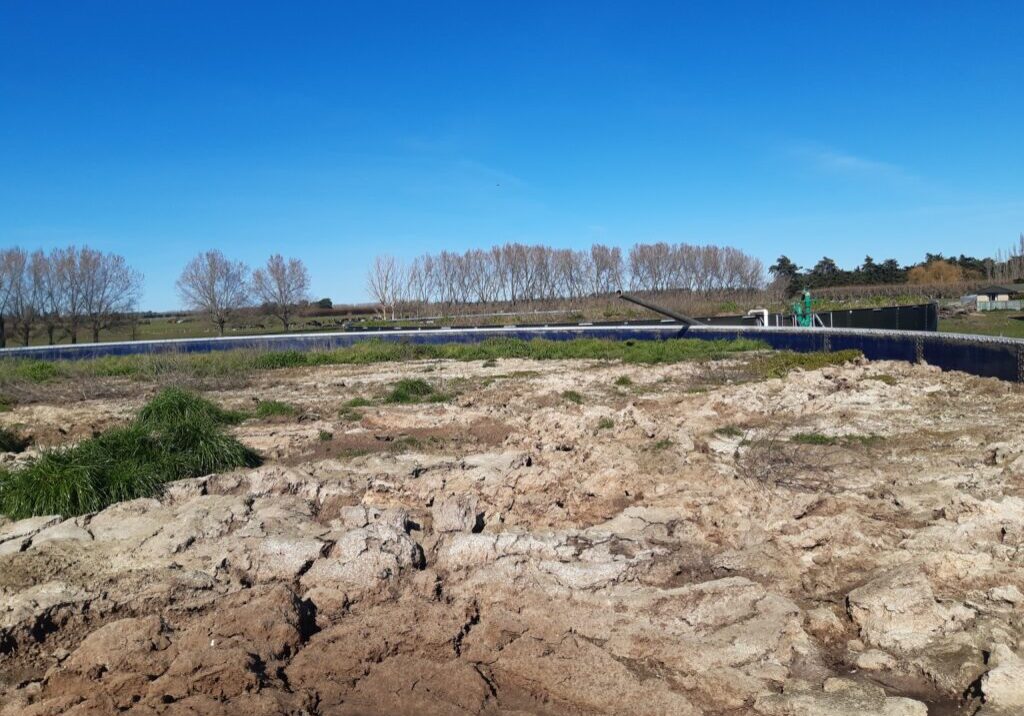
The issue, on many farms, is not the nutrient content. It is consistency. When effluent ponds are not stirred properly, solids settle. When solids settle, the nutrient load concentrates unevenly – meaning one part of the system delivers a heavy hit while another delivers almost nothing. The paddocks receiving that uneven spread show it: patchy pasture response, variable utilisation, and a total yield well below what the effluent volume should deliver.
In practical terms, this means many farms are already compensating for poor effluent performance by purchasing more commercial fertiliser. They are effectively paying twice for the same nutrients.
Why This Is No Longer a Minor Inefficiency
There was a period when effluent system performance was treated as a secondary concern. Systems were sized for compliance, not optimisation. Stirring was reactive rather than scheduled. Nutrient recovery was not measured because the cost of not measuring it was absorbed by relatively stable fertiliser prices.
That period has passed. When fertiliser prices are volatile and supply is uncertain, the gap between what your effluent system could recover and what it actually recovers becomes a real, calculable loss. For a mid-sized Canterbury or Waikato dairy operation, that gap can represent a meaningful portion of the annual fertiliser spend.
Stirring Is Where Most of That Value Is Recovered or Lost
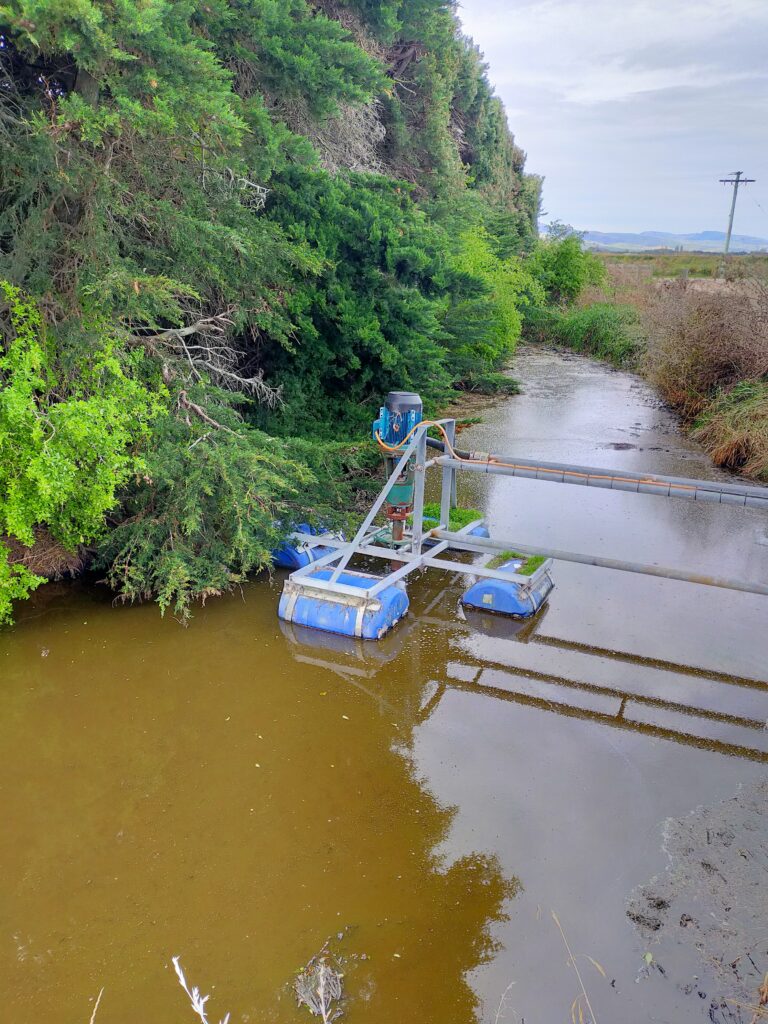
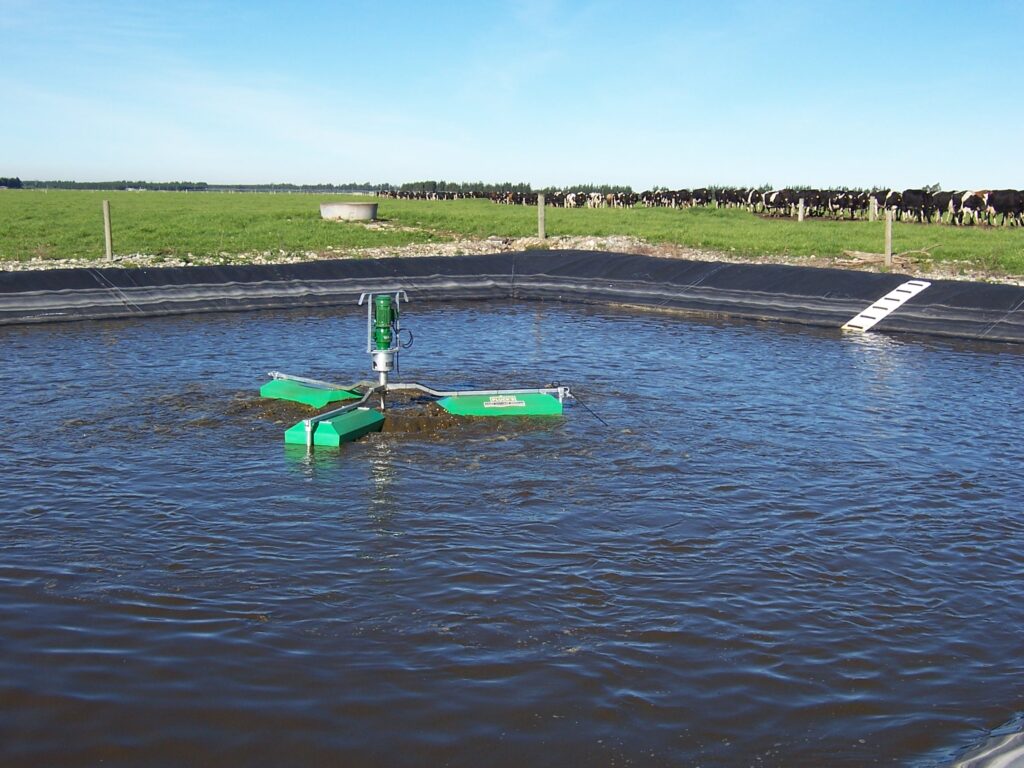
Effective stirring keeps solids in suspension, ensuring that when effluent is pumped and spread, the nutrient load is consistent from the first run to the last. Even distribution improves pasture utilisation, reduces the blockages and wear that cost time and money during peak periods, and allows farmers to treat effluent as a predictable nutrient input rather than a variable they work around.
The farms that treat effluent management seriously – with correctly specified equipment, regular stirring schedules, and systems designed for the actual solids load of their operation – are recovering more value from a resource they are already producing. As fertiliser markets remain exposed to forces no NZ farmer can control, that advantage compounds year on year.
Effluent is already paid for. The question is how much of its value your system is actually capturing.
If you’re thinking about what a well-designed effluent system looks like in practice, read: How Dairy Effluent Systems Are Designed to Meet Resource Consent Requirements in New Zealand. For sizing specifically, see: How to Size Effluent Storage for a Dairy Farm in New Zealand.
If you’re based in Canterbury or wider New Zealand and want to talk through what a better-performing effluent system could look like for your farm, the team at Plucks Engineering is happy to have that conversation. Get in touch at plucks.co.nz or give us a call – no obligation, just a practical discussion about what’s possible.