
How to Size Effluent Storage for a Dairy Farm in New Zealand
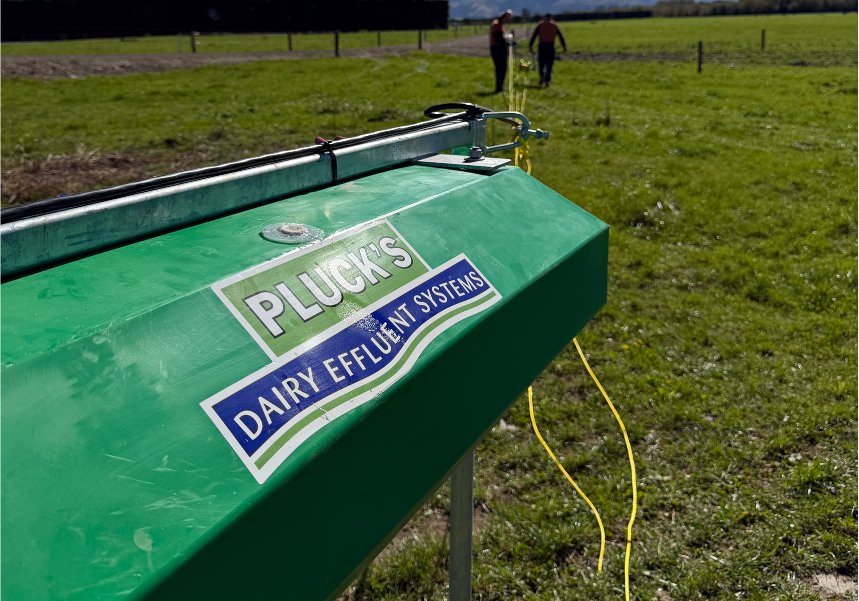
Effluent storage that's too small creates pressure fast - and usually at the worst possible time. This guide covers what actually goes into sizing dairy effluent storage correctly in New Zealand, from herd numbers and rainfall allowance through to concrete pond design and resource consent requirements.
Effluent storage needs to be big enough to handle the times when you can’t spread, not just the days when everything is going to plan.
On most dairy farms that means allowing for wet weather, winter conditions, busy periods, and any consent rules that limit when effluent can go on the paddock.
If storage is too small, the pressure comes on pretty quickly, and that’s when systems get hard to manage.
Getting the size right at the start makes the whole setup easier to run and usually avoids expensive changes later.
Storage size isn’t just based on cow numbers
Herd size is an important factor, but it is only one part of an effective effluent storage calculation.
When storage is properly assessed for a site, the following factors are typically considered:
- Total number of milking cows
- Yard and shed wash‑down volumes
- Rainwater entering the effluent system
- Required effluent storage duration
- Soil type and infiltration characteristics
- Land slope and site topography
- Resource consent and compliance conditions
- Allowance for future herd increases
Every farm presents different conditions and constraints. For that reason, storage capacity is normally calculated to suit the specific property, rather than selecting a standard tank size and assuming it will be sufficient.
Consultants and planners will want to see those numbers when consent work is being done.
Wet periods are what usually catch people out
Many older effluent systems were designed when regulatory requirements were less strict and seasonal weather patterns were more predictable.
Today, farms are often required to hold effluent for longer periods, particularly when land conditions are unsuitable for application.
This commonly includes situations such as:
- Extended periods of rainfall
- Saturated or poorly draining soils
- Winter application restrictions
- Resource consent limits on spreading
- Peak workload periods when staff availability is limited (Calving)
When storage capacity is insufficient, operational flexibility reduces quickly. At that point, effluent management becomes constrained, and systems that normally run quietly in the background start to feel difficult to manage.
Having extra capacity gives you time to wait for the right conditions instead of having to rush.
It usually pays to allow for future herd size
Many farms change over time, even when expansion was not part of the original plan.
When storage is designed only for current stock numbers, it doesn’t take much change before capacity becomes tight again.
Allowing additional storage at the build stage is typically more cost‑effective than retrofitting extra tanks later, particularly once infrastructure is already established.
This approach is commonly recommended for:
- Farms planning future expansion
- Multi‑owner or syndicated operations
- Corporate or vertically integrated farms
- Properties approaching consent renewal
- Farms likely to change ownership
Building sufficient capacity once, and building it properly, generally provides greater flexibility and fewer constraints over the long term.
Concrete storage pond design matters as much as storage size
Concrete‑designed storage ponds carry large static loads and operate under constant pressure once in service.
On larger or higher‑demand farms, ponds that are not properly designed can begin to show issues after only a few seasons of operation.
Long‑term performance is strongly influenced by factors such as:
- Engineered pond sizing and load calculations
- Concrete specification and reinforcement design
- Floor, wall, and edge detailing
- Inlet, outlet, and draw‑off configuration
- Pipe penetrations and connection detailing
Well‑designed concrete storage ponds typically perform more consistently over time, particularly where ponds are held full for long periods or operate under sustained seasonal loading.
At Plucks Engineering, concrete effluent storage ponds and associated equipment are designed using the same principles applied to our heavy agricultural machinery – simple layouts, sound engineering, and specifications matched to real operating conditions.
Getting storage right early saves a lot of hassle later
Effluent storage capacity is often reviewed when something on the farm changes, such as:
- Resource consent renewal requirements
- Planned or unplanned herd increases
- Yard or dairy shed upgrades
- Existing system struggling to keep up
- Farm sale or ownership change
- Independent consultant or compliance review
When storage sizing is assessed early, the system can be designed and built properly, rather than having to retrofit or make compromises later under time or compliance pressure.
Plucks Engineering works with farm owners, consultants, and planners to size and build effluent storage systems that suit the farm, meet consent requirements, and keep working long term. Get in touch now.