
Common Problems Found in Older Dairy Effluent Systems
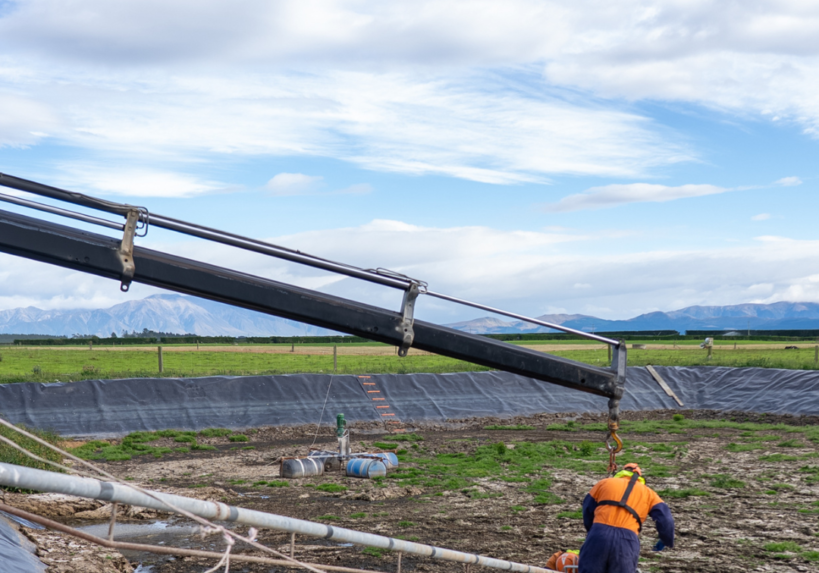
Most older systems were built right at the time - but farms change, rules tighten, and the setup doesn't always keep up. These are the problems that keep coming up, and what to do about them.
A lot of dairy farms are still running effluent systems that were put in years ago, when herd sizes were smaller and the rules weren’t as tight as they are now.
Most of those systems were built right at the time.
The problem is the farm changes, the regulations change, and the effluent setup doesn’t always keep up.
When systems get looked at before a consent renewal, farm sale, or upgrade, the same issues tend to come up again and again.
Catching them early usually makes things a lot easier to fix.
Storage is often the first thing that falls short
One of the most common problems with older systems is simply not having enough storage.
Years ago, storage was often sized for normal day-to-day use.
Now farms need to allow for longer wet periods, tighter consent rules, and bigger herds. See our guide on how to size effluent storage correctly.
That can mean the system struggles when you hit:
- A wet winter
- A busy period
- High soil moisture
- Consent limits on spreading
When storage is tight, everything else gets harder to manage.
Upgrading storage is one of the most common changes made when older systems are reviewed.
Pumps and pipework don’t always match the farm anymore
As farms grow, effluent usually has to travel further and in bigger volumes than it used to.
That’s where older systems can start to show their age.
Common things we see are:
- Matching System Specifications- undersized or oversized
- Pumps that are too small-
- Pump station, no regular service, incorrect sizing
- Pipework that’s too narrow
- Slow transfer times
- Blockages
- Trouble emptying tanks when you need to
It might work most of the time, but when the pressure comes on, that’s when the weak points show up.
Often you don’t need to replace everything – upgrading pumps or pipe size can make a big difference.
Stirrer frames can be getting tired after years of use
Effluent gear works in a tough environment.
Moisture, corrosion, and constant loading all take their toll over time, even on well-built equipment.
When systems are checked, we often look at things like:
- Tank condition
- Rust taking over
- Welds and joints
- Mounting points
- Bearings and shafts
- Pipe fittings
Heavier-built gear usually lasts longer, but anything that’s been working for years is worth checking before it turns into a problem.
Farm layouts change, but the effluent system stays the same
Another common issue is that the farm has changed, but the effluent system hasn’t.
Sheds get upgraded, races move, herd numbers go up, or irrigation changes.
What worked when the system went in doesn’t always suit the way the farm runs now.
That can lead to:
- Extra pumping
- More time spent managing effluent
- Hard-to-reach tanks
- Slower emptying
- More pressure during wet weather
Sometimes the best fix isn’t starting again, it’s reworking part of the system so everything flows properly.
Looking at the system early makes upgrades a lot easier
Most effluent upgrades happen when something forces the issue, like:
- Consent renewal
- Farm expansion
- Storage running out
- Equipment wearing out
- Farm sale
- Consultant recommendation
If the system gets looked at early, there’s time to plan it properly instead of rushing changes under pressure.
Plucks Engineering works with farm owners, consultants, and planners to review existing effluent systems and build upgrades that suit the farm, the consent requirements, and the way the property actually runs.
If you are planning a new install, upgrade, or consent renewal, it’s worth talking through the options before anything is locked in.
Contact Plucks Engineering today – we’re based in Rakaia and work with farms and consultants across New Zealand.