
The Plucks Hose Runner Was Rebuilt From the Ground Up – Here’s What Changed and Why
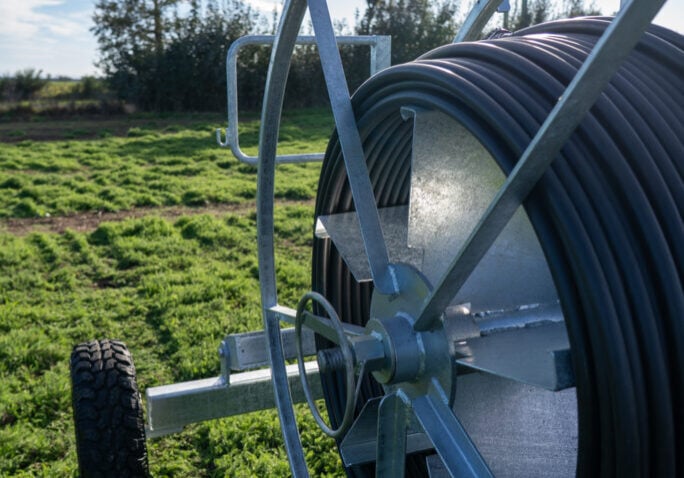
Plucks Engineering spent 82 days visiting farmers across New Zealand before redesigning the Hose Runner. The result is a machine that winds and unwinds hundreds of metres of Alkathene hose in under two minutes - a one-person job, 45% cheaper than the original, and built around exactly what farmers said they needed.
Shifting Alkathene hose for break feeding is one of those jobs that eats time every single day of the season. It usually needs more than one person, it has to happen regardless of conditions, and on farms running multiple herds across different locations, it adds up fast.
Plucks Engineering built the original Hose Runner to solve that problem. After launch, 82 farmers enquired. Instead of just processing the orders, Plucks spent 82 days researching across New Zealand, asking those farmers exactly what they needed from an Alkathene hose handling system. The new Hose Runner is the result of that research – and it’s $7,000 cheaper than the original.
What Farmers Said They Needed From a Hose Runner
The feedback was direct. Farmers needed the ability to swap different lengths of Alkathene hose coils in and out quickly. They needed a machine tough enough to tow behind a ute, 4×4, tractor, or side-by-side across real paddock conditions. They didn’t want to pay for extra bobbins. They didn’t want shipping costs inflated by an oversized machine. And the purchase price needed to come down significantly.
Farmers also pointed out that most already had their own troughs and their own Alkathene hose – they didn’t need those included. They needed a hose runner that worked around what they already had on farm.
Plucks took every one of those points and rebuilt the machine around them.
What Changed in the New Plucks Hose Runner
The redesigned Alkathene hose runner addresses each piece of farmer feedback directly.
The bobbin side is now removable in seconds, so loading and removing a coil of hose takes no time at all. The chassis runs on one side only, giving full and easy access to the coil at all times. The unit winds and unwinds hundreds of metres of Alkathene hose in under two minutes – a one-person job from start to finish.
The flatpack size has been reduced by 72%, which directly reduces shipping costs nationwide. Steel content is down 30% without any compromise to the structural integrity of the build. The drawbar is detachable, keeping freight dimensions down further and making the unit easier to handle on arrival.The result of all those changes is a 45% reduction in purchase price – $7,000 less than the original Hose Runner.
Where the Hose Runner Was Developed
The Plucks Hose Runner was born on the West Coast of the South Island by a dairy farmer, where rain is guaranteed, mud is permanent, and farm equipment has to perform under the worst conditions New Zealand can produce. If it works there, it works anywhere.
It tows behind a ute, 4×4, tractor, or side-by-side. The bobbin carries approximately 400 metres of 20mm Alkathene hose. It turns what has traditionally been a demanding two-person task into something a single staff member can complete quickly, regardless of the time of year or the state of the ground.
Watch Neil walk through the redesigned Hose Runner and explain what changed:
Built Around What Farmers Actually Told Us
The difference between the original Hose Runner and the new version isn’t just the price. It’s that every change in the redesign came directly from farmers who told Plucks exactly what wasn’t working and what they needed instead. The 82 days of on-farm research wasn’t a marketing exercise – it was the brief.
If moving Alkathene hose is costing your operation time at the start of every break, the Plucks Hose Runner is worth a look.