
How Dairy Effluent Systems Are Designed to Meet Resource Consent Requirements in NZ
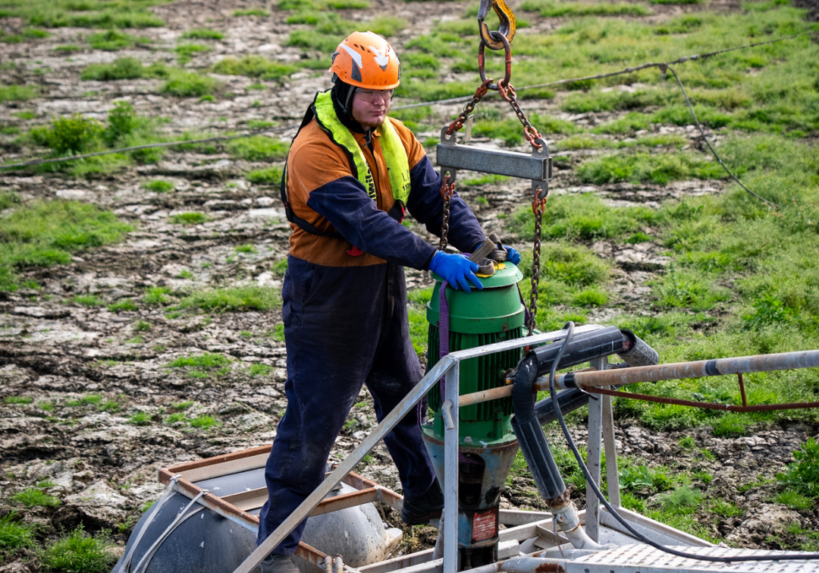
Effluent systems on dairy farms are no longer designed just to keep the yard clean or move slurry from one place to another. Today, they also need to meet resource consent conditions, regional council rules, and environmental standards that are getting tighter every few years.
It’s critical that farm owners, consultants, accountants, and planners look at effluent systems before anything is built, not after there’s a problem. That shift in thinking – from reactive equipment to planned farm infrastructure – is something we covered in our previous post.
Getting the design right early makes consent applications easier, reduces risk, and avoids expensive changes later on.
Why consent requirements now affect how effluent systems are built
Across New Zealand, regional councils expect farms to show that effluent can be stored and applied without runoff, ponding, or risk to waterways.
That means systems need to allow for things like:
- Enough storage for wet periods
- Reliable pumping and transfer
- Safe application rates
- Soil and slope conditions
- Future herd increases
- Times when spreading isn’t possible
Older systems were often built for day-to-day use only.
Newer systems need to be designed so the farm can stay compliant in bad weather, busy periods, and during inspections.
Why getting specialist engineers involved early makes consent work easier?
When effluent systems are designed properly from the start, the information needed for consent applications is much easier to provide.
This usually includes:
- Tank sizes and storage volume
- Pump capacity
- Pipe layout
- Site drawings
- Material specifications
- Installation details
Consultants and planners rely on this information when preparing consent documents, and councils often want to see clear details before approving upgrades or new systems. Addressing issues post-construction can lead to delays and increased expenses.
Designing for future rules, not just today’s rules
One of the biggest changes in the last few years is that farms are being asked to think further ahead.
Consent conditions, environmental plans, and farm systems all change over time.
If an effluent system is only built to meet the minimum requirement now, it may need upgrading sooner than expected.
Allowing for extra storage, dairy architect-designed construction, or future expansion during the design stage usually makes more sense long-term, especially for:
- Larger dairy farms
- Expanding herds
- Multi-owner businesses
- Corporate farms
- Properties likely to change ownership
Why build quality matters in effluent systems
Effluent equipment works in one of the harshest environments on the farm.
Tanks, pumps, and walkways are under constant load, exposed to moisture, corrosive and often running in winter conditions when everything is under pressure.
When effluent systems are over-specked or undersized, problems usually show up at the worst time – during wet weather, inspections, or busy periods.
Well-built systems normally use:
- Properly sized pumps low carbon footprint with kilowatt usage
- Strong backup
- Quality welding to NZ standard & galvanising
- Pipework is correctly sized for the job and has no choke points
- Layouts that allow easy servicing and retrofit upgrades
At Plucks Engineering, effluent gear is built the same way we build heavy agricultural equipment – with the expectation that it needs to keep working for years, not just pass the next inspection.
Talk to Plucks Engineering before installing or upgrading an effluent system
When effluent systems are planned early, the whole process usually runs smoother – for the farm, the consultant, and the council.
Plucks Engineering designs and manufactures dairy effluent equipment in Canterbury for farms across New Zealand, with a focus on reliability, long service life, and systems that are built properly the first time.
If you are planning a new install, upgrade, or consent renewal, it’s worth talking through the options before anything is locked in.
Contact Plucks Engineering today – we’re based in Rakaia and work with farms and consultants across New Zealand.