
Paddock Rolling in Spring: Choosing the Right Land Roller for Your Farm
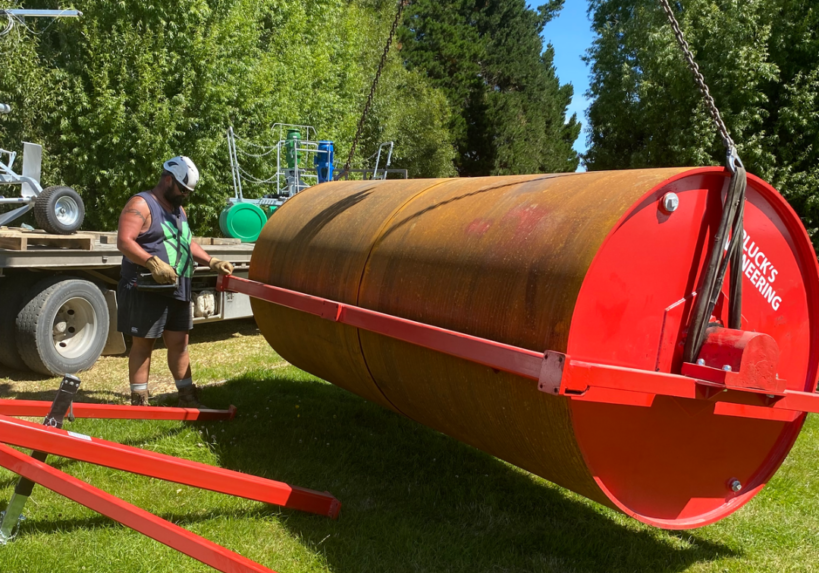
After a wet Canterbury winter, paddocks come out lumpy, pugged, and uneven - and that costs you all season. Here's how to choose the right land roller size, plate thickness, and towing setup before spring gets away on you.
Spring is when a lot of Canterbury and South Island farmers start thinking about their roller again. After a wet winter, paddocks can come out lumpy, pugged, and uneven underfoot – and that unevenness costs you all season, every time mowers, toppers, tractors, and other vehicles move across the paddock. Rolling is not just about tidying up appearances. Done at the right time, it presses stones back below the surface before silage cutting, firms up disturbed ground, and helps pasture recover more evenly.
For Pluck’s Engineering, paddock rolling is not just a seasonal job. Pluck’s has been building heavy land rollers in New Zealand since 1966, with new rollers backed by a 10-year warranty and built for long-term farm use.
How do you fix winter paddock damage before it costs you?
Generally, the window opens once the worst of the winter wet has passed and the ground has firmed up enough to carry a tractor and roller without smearing or re-pugging the surface – but before pasture growth really gets away in the warmer weeks.
If the roller is smearing the surface, leaving deep tractor marks, or closing wet soil rather than firming it, the paddock is not ready. Waiting a little longer can protect soil structure and avoid creating more damage than the roller fixes.
Winter stock movement, vehicle pugging, and frost heave can leave the ground uneven, and that unevenness has knock-on effects for the rest of the season. Rolling firms up the surface, pushes exposed stones back down, and helps reduce the risk of damage to mower and topper blades later on. Where pasture has been newly sown, over-sown, or disturbed, rolling can also help firm the surface and improve seed-to-soil contact.
For many farms, the right standard two-drum land roller is a practical starting point.
When is the best time to roll a paddock?
Generally, the window opens once the worst of the winter wet has passed and the ground has firmed up enough to carry a tractor and roller without smearing or re-pugging the surface – but before pasture growth really gets away in the warmer weeks.
If the roller is smearing the surface, leaving deep tractor marks, or closing wet soil rather than firming it, the paddock is not ready. Waiting a little longer can protect soil structure and avoid creating more damage than the roller fixes.
What plate thickness roller do you actually need?
Plate thickness is matched to what’s actually in the ground. It’s one of the first things worth working out before choosing a model:
The heavier the stones and the rougher the conditions, the more important the roller’s plate thickness becomes. Choosing too light a roller for the job can reduce effectiveness and may place more strain on the machine over time.
- 16mm plate – suited to ground with shingle up to fist-sized stones
- 20mm plate – for paddocks running fist-sized up to pumpkin-sized stones
- 25mm plate – rugby-ball-sized stones or bigger; the heaviest-duty option in the range
Vineyard, standard two-drum, twin, or triple-drum – which suits your paddock?
Pluck’s builds across the full range: single-drum vineyard rollers for narrow rows and tight gateways, standard two-drum land rollers for the most common paddock setups, twin rollers for working two paddocks at once, and triple-drum land rollers for wider, flatter country where covering more ground per pass matters most.
How much horsepower do you need to tow it?
Towing capacity needs to match the weight of the roller, the ground conditions, and the tractor setup. At the lighter end, standard 1.5m diameter rollers typically sit around the 80-120hp range, depending on rolling width and plate thickness. Larger double and triple-drum setups need a higher horsepower tractor with the right weight, traction, and 4WD capability. Flat country, rolling or undulating paddocks, wet ground, and transport requirements should all be considered before choosing a model.
Built to outlast the paddock
Pluck’s rollers have been manufactured in New Zealand since 1966, welded to NZ standard AS/NZS 2980, and backed by a 10-year warranty. Many stay on farms for decades, with some passed through more than one generation of owners. That long working life comes from heavy drum construction, strong plate options, cast iron bearings and sleeves, and a practical design built for rough winter paddocks, stone damage, and long-term farm use.
Think about transport before you order
A land roller is a serious piece of equipment, so transport should be part of the buying decision.
Bolt-on drawbars, transport bogies, freight dimensions, and farm-to-farm movement can all affect the best setup. Thinking about this before ordering helps make sure the roller suits both the paddock and the way it needs to be moved.
Repairs, trade-ins, and second-hand options
If you already have an older roller, Pluck’s can also help with repairs, trade-ins, or advice on whether upgrading makes more sense than patching what you have. That gives farmers options whether they are ready for a new roller, looking for a second-hand unit, or simply trying to get more life from existing gear.
Common questions about paddock rolling
Can Pluck’s build a custom-sized roller for my farm?
Yes. Pluck’s regularly builds rollers to suit specific farm requirements, including width, diameter, plate thickness, gateways, transport limits, and tractor size.
How do I know what size roller I need?
Start with your paddock width, stone size, tractor horsepower, gateways, and whether the roller needs to move between farms. From there, Pluck’s can help match the right rolling width, drum size, and plate thickness.
Should I repair my old roller or trade up?
That depends on the condition of the drum, bearings, frame, and drawbar, as well as the work you expect the roller to do. Pluck’s can assess the practical options and advise whether repair, trade-in, or replacement is the better long-term decision.
Do I need to remove the drawbar to transport the roller between farms?
No. The bolt-on drawbar is designed to comply with oversize freight dimensions and can be removed with 12 bolts if needed for inter-regional transport.
What if my roller is constantly jolting on rough or humped ground?
The spring-loaded drawbar option cushions the forward-and-back movement between roller and tractor, taking the hard collisions out of the tow connection – easier on the cab, and on the tractor’s drivetrain.
Ready to talk sizing?
If you are planning spring rolling, now is the time to check whether your current roller is still right for your paddocks. Talk to Pluck’s and we’ll help match the right width, drum size, plate thickness, and towing setup to your farm. Explore the full Land Rollers range.